
Introduction
Dental implants have become a popular and reliable solution for replacing missing teeth. Despite their growing acceptance, several myths and misconceptions about dental implants persist, causing unnecessary concern for potential patients. Dispelling these myths is essential to help individuals make informed decisions about their oral health. This article addresses some of the most common myths about dental implants and provides accurate information to clarify these misunderstandings.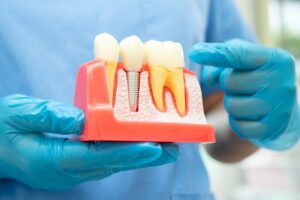
Understanding the reality behind these myths can ease anxiety and provide confidence for those considering dental implants. From concerns about pain to misconceptions about cost and maintenance, we will explore the truth behind each of these myths, helping you to see why dental implants are an excellent choice for restoring your smile.
By addressing these myths head-on, we aim to demystify the dental implant process and encourage more people to consider this effective and long-lasting solution for tooth loss.
Myth 1: Dental Implants Are Painful
One of the most common myths about dental implants is that the procedure is extremely painful. However, this belief is far from accurate. While it’s true that dental implant surgery involves some discomfort, the procedure itself is typically performed under local anesthesia, ensuring that patients feel little to no pain during the surgery. Additionally, sedation options are available for those who may feel anxious about the procedure.
Post-operative pain is usually manageable with over-the-counter pain medications, and many patients report that the discomfort is less severe than they anticipated. The recovery process may involve some swelling and minor discomfort, but these symptoms typically subside within a few days.
With modern techniques and anesthesia, dental implants are a relatively pain-free procedure. Patients can expect a manageable recovery and, ultimately, a significant improvement in their quality of life with their new implants.
Myth 2: Dental Implants Are Unnatural Looking
Another common misconception is that dental implants look unnatural and can be easily distinguished from natural teeth. In reality, dental implants are designed to blend seamlessly with your existing teeth, both in appearance and function. The crowns used in dental implants are custom-made to match the color, shape, and size of your natural teeth, making them virtually indistinguishable from the rest of your smile.
Advanced dental technology allows for precise design and placement of the implants, ensuring that they align perfectly with your natural teeth. This attention to detail results in a natural-looking smile that enhances your overall appearance.
Whether you need a single tooth replaced or a full set of implants, the final result is a beautiful, natural-looking smile that restores both function and confidence. Dental implants are crafted with aesthetics in mind, ensuring that they provide a realistic and pleasing result.
Myth 3: Dental Implants Are Too Expensive
Cost is a significant concern for many considering dental implants, leading to the myth that they are prohibitively expensive. While it’s true that dental implants involve an upfront investment, it’s important to consider their long-term value. Unlike other tooth replacement options, such as dentures or bridges, dental implants are designed to last a lifetime with proper care, making them a cost-effective solution over the long term.
Moreover, many dental practices offer financing options and payment plans to make implants more accessible. Dental insurance may also cover a portion of the cost, especially if the implants are deemed medically necessary. Patients should consult with their dental provider to explore these options and make the cost more manageable.
When evaluating the cost of dental implants, it’s essential to weigh the long-term benefits against the initial investment. The durability, functionality, and aesthetic appeal of dental implants make them a worthwhile investment in your oral health and overall well-being.
Myth 4: Dental Implants Require Extensive Maintenance
Some people believe that dental implants require complex and time-consuming maintenance, but this is not the case. In fact, caring for dental implants is very similar to caring for natural teeth. A regular oral hygiene routine that includes brushing twice a day, flossing, and regular dental check-ups is all that’s needed to keep your implants in good condition.
Dental implants are made from durable materials that resist decay, but maintaining healthy gums and the surrounding teeth is crucial to the longevity of the implants. Regular visits to the dentist for professional cleanings and check-ups will help ensure that your implants remain in excellent condition.
With proper care, dental implants can last a lifetime, offering a low-maintenance, long-term solution for missing teeth. Patients can enjoy the convenience of a routine dental care regimen without the need for special products or procedures.
Myth 5: Dental Implants Are Only for the Elderly
A common myth is that dental implants are only suitable for older adults. While it’s true that many older individuals opt for implants, they are by no means exclusive to this age group. Dental implants are suitable for adults of all ages who have lost teeth due to injury, decay, or other factors.
Younger patients who are missing teeth can benefit greatly from dental implants, as they provide a permanent solution that prevents the bone loss associated with missing teeth. This helps maintain the structure of the jaw and overall facial aesthetics, which is especially important for younger patients.
Age is not a limiting factor for dental implants as long as the patient is in good overall health and has sufficient bone density to support the implants. A consultation with a dental professional can help determine if implants are the right choice for you, regardless of your age.
Myth 6: The Procedure Is Risky
Some people are hesitant to get dental implants because they believe the procedure is risky. However, dental implant surgery is a routine procedure with a high success rate. With advances in dental technology and surgical techniques, the risks associated with dental implants are minimal.
Implant success rates are typically around 95%, and complications are rare when the procedure is performed by a skilled and experienced dentist. Proper pre-surgical planning, including imaging and health assessments, further reduces the risk of complications.
Patients should feel confident that dental implants are a safe and effective option for replacing missing teeth. By choosing a qualified dental professional and following post-surgical care instructions, patients can enjoy a smooth recovery and excellent long-term results.
Myth 7: Dental Implants Can Cause Health Issues
Another myth is that dental implants can cause health problems or lead to systemic issues. In reality, dental implants are made from biocompatible materials, such as titanium, that are well-accepted by the body. These materials do not trigger allergic reactions or adverse health effects, making them safe for long-term use.
Dental implants are designed to integrate with the jawbone, promoting bone health and preventing the bone loss that occurs when teeth are missing. This integration not only supports the implant but also contributes to the overall health of the jaw and surrounding tissues.
Patients with dental implants can expect to maintain excellent oral health, provided they adhere to good oral hygiene practices. There is no evidence to suggest that dental implants cause systemic health issues; in fact, they can improve oral health by restoring function and preventing further dental problems.
Myth 8: You Can’t Get Dental Implants If You Have Missing Bone
It is often believed that patients with significant bone loss in the jaw are not candidates for dental implants. While sufficient bone density is important for supporting implants, patients with bone loss are not automatically disqualified from receiving them. Bone grafting procedures are available to build up the jawbone and create a stable foundation for implants.
Bone grafting involves taking bone from another part of the body or using synthetic materials to augment the jawbone. This procedure has a high success rate and allows many patients with bone loss to successfully receive dental implants.
Consulting with a dental professional can help determine if you are a candidate for bone grafting and dental implants. With modern techniques, even patients with significant bone loss can benefit from the life-changing effects of dental implants.
Conclusion
Dental implants are a highly effective and reliable solution for replacing missing teeth, yet several myths continue to create confusion and concern. By dispelling these common myths, we hope to provide a clearer understanding of the benefits and realities of dental implants. From pain management to cost considerations and maintenance, the truth behind these myths reveals that dental implants are a safe, natural-looking, and long-lasting option for many patients.
For those considering dental implants, it is important to consult with a qualified dental professional who can provide personalized advice and address any concerns. With accurate information and the right guidance, you can make an informed decision and enjoy the many benefits that dental implants have to offer.
Don’t let myths and misconceptions stand in the way of restoring your smile and improving your quality of life. Explore the possibility of dental implants and discover how this advanced dental solution can help you achieve a healthy, confident smile.
Call us at: (708) 460-1750 Book an Appointment?