
Introduction
Veneers have become a popular cosmetic dental option for individuals looking to enhance their smiles. These thin, custom-made shells are designed to cover the front surface of teeth, improving their appearance by altering the color, shape, size, or length. Veneers are an effective solution for a variety of dental imperfections, including chipped, stained, or misaligned teeth. This article will guide you through the entire process of getting veneers, from the initial consultation to caring for your new smile.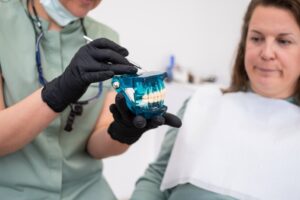
People choose veneers for various reasons, such as achieving a more uniform smile, correcting discoloration that doesn’t respond to whitening, or closing gaps between teeth. Veneers offer a natural-looking and durable solution, making them an attractive choice for those seeking long-term cosmetic improvements.
Understanding the process of getting veneers can help you make an informed decision about whether this cosmetic treatment is right for you. Let’s explore each step in detail to provide a comprehensive overview of what to expect.
Initial Consultation
The journey to getting veneers begins with an initial consultation with your dentist. During this appointment, you’ll discuss your goals and expectations for your smile. It’s important to communicate any specific concerns you have, such as the color, shape, or alignment of your teeth. Your dentist will evaluate your oral health, taking into consideration factors like gum health, tooth structure, and bite alignment.
This consultation is also an opportunity to explore the different types of veneers available, such as porcelain or composite resin, and to discuss which option may be best suited for your needs. Your dentist may take X-rays or impressions of your teeth to get a better understanding of your dental structure and to plan the treatment effectively.
By the end of the consultation, you should have a clear understanding of the veneer process, the timeline, and the expected results. This meeting is crucial for setting realistic expectations and ensuring that you and your dentist are aligned on your desired outcome.
Teeth Preparation
Once you’ve decided to proceed with veneers, the next step is to prepare your teeth. This involves removing a small amount of enamel from the front surface of the teeth that will receive veneers. The amount of enamel removed is typically minimal—just enough to allow the veneers to fit comfortably and naturally without adding bulk to the teeth.
This step is essential for ensuring that the veneers adhere properly and look natural once placed. In some cases, your dentist may place temporary veneers while your custom veneers are being created. These temporary veneers help protect your prepared teeth and give you a preview of the final result.
Precise measurements are taken during this stage to ensure that your permanent veneers will fit perfectly. The preparation process is done with great care to maintain the integrity of your teeth while making room for the veneers.
Choosing Veneer Material
Choosing the right material for your veneers is a critical decision that will affect both the appearance and durability of your new smile. The two most common types of veneers are porcelain and composite resin. Each material has its own advantages and considerations.
Porcelain veneers are highly durable and resistant to staining, making them an excellent long-term option. They closely mimic the light-reflecting properties of natural teeth, providing a very natural appearance. Composite resin veneers, on the other hand, are less expensive and can be applied more quickly, often in a single visit. However, they may not last as long as porcelain veneers and are more prone to staining.
Your dentist will help you weigh the pros and cons of each material based on your specific needs, budget, and aesthetic preferences. The choice of material will play a significant role in the final look and longevity of your veneers.
Custom Veneer Creation
Once your teeth have been prepared and the material chosen, the next step is the creation of your custom veneers. This process typically involves sending your teeth impressions to a dental laboratory, where skilled technicians will craft your veneers to match the exact specifications provided by your dentist.
The lab will create veneers that are tailored to the shape, size, and color that best complement your natural teeth and facial features. This custom approach ensures that the veneers blend seamlessly with your existing teeth for a natural and harmonious smile.
The creation of custom veneers usually takes a few weeks. During this time, your dentist may check in with the lab to ensure that the veneers are progressing as expected and that they will meet the highest standards of quality and aesthetics.
Fitting the Veneers
Once your custom veneers are ready, you will return to the dentist’s office for the fitting and bonding process. This is an exciting step, as you’ll finally see your new smile take shape. During this appointment, your dentist will first place the veneers on your teeth temporarily to check their fit, color, and appearance. Any necessary adjustments can be made at this stage to ensure a perfect fit.
Once you and your dentist are satisfied with the appearance, the veneers will be permanently bonded to your teeth using a strong dental adhesive. A special light is used to harden the adhesive, securing the veneers firmly in place. Your dentist will then remove any excess adhesive and make final adjustments to ensure that your bite feels comfortable and natural.
After the veneers are bonded, your dentist will polish them to give them a smooth, shiny finish that mimics the appearance of natural tooth enamel. This step completes the transformation, leaving you with a beautifully enhanced smile.
Final Adjustments
After the veneers have been fitted and bonded, your dentist will perform any final adjustments needed to perfect your smile. This may include fine-tuning the fit, ensuring that your bite is aligned correctly, and polishing the veneers for a flawless finish. It’s important that your veneers feel comfortable and natural in your mouth, and your dentist will work diligently to achieve this.
Your dentist will also address any concerns or questions you may have about your new veneers. This is an excellent time to discuss any minor discomfort or sensitivity you might be experiencing, which is common in the days following the procedure. Your dentist will provide guidance on how to manage these symptoms and ensure a smooth transition to your new smile.
A follow-up appointment may be scheduled to check on your veneers and make sure everything is settling in well. Regular check-ups are essential for maintaining the health and appearance of your veneers over the long term.
Caring for Your Veneers
Maintaining your veneers is crucial for ensuring their longevity and keeping your smile looking its best. Fortunately, caring for veneers is similar to caring for your natural teeth. Daily brushing and flossing are essential to remove plaque and prevent gum disease, which can affect the health of your veneers.
It’s also important to avoid habits that can damage your veneers, such as biting on hard objects (like ice or pens) or using your teeth as tools. While veneers are durable, they are not indestructible, and taking care to protect them from unnecessary stress will help them last longer.
Regular dental check-ups and cleanings are vital for monitoring the condition of your veneers and addressing any issues early on. Your dentist will provide specific advice on how to care for your veneers, ensuring that they remain in excellent condition for many years to come.
Potential Challenges and Solutions
While veneers offer a beautiful and long-lasting solution for enhancing your smile, there are potential challenges that patients should be aware of. Some individuals may experience sensitivity to hot or cold temperatures after getting veneers. This is usually temporary and can be managed with desensitizing toothpaste or other treatments recommended by your dentist.
In rare cases, veneers may chip or crack, especially if they are subjected to excessive force. If this happens, it’s important to contact your dentist immediately to assess the damage and determine the best course of action. In some instances, the veneer can be repaired, while in others, it may need to be replaced.
Veneers are also not immune to staining, particularly if you consume a lot of coffee, tea, red wine, or other staining substances. To maintain the bright appearance of your veneers, it’s advisable to limit the intake of these beverages and to maintain good oral hygiene practices.
Conclusion
The process of getting veneers is a transformative journey that can significantly enhance your smile and boost your confidence. From the initial consultation to the final fitting and beyond, each step is carefully planned and executed to achieve the best possible results. Veneers offer a durable, natural-looking solution for a variety of dental imperfections, making them a popular choice for those seeking to improve their smile.
With proper care and regular dental check-ups, veneers can last for many years, providing you with a beautiful, lasting smile. If you’re considering veneers, consult with a qualified dentist who can guide you through the process and help you achieve the smile you’ve always wanted.
Whether you’re looking to correct minor imperfections or achieve a complete smile makeover, veneers offer a versatile and effective solution that can greatly enhance your quality of life.
Call us at: (708) 460-1750 Book an Appointment? Click here to Book